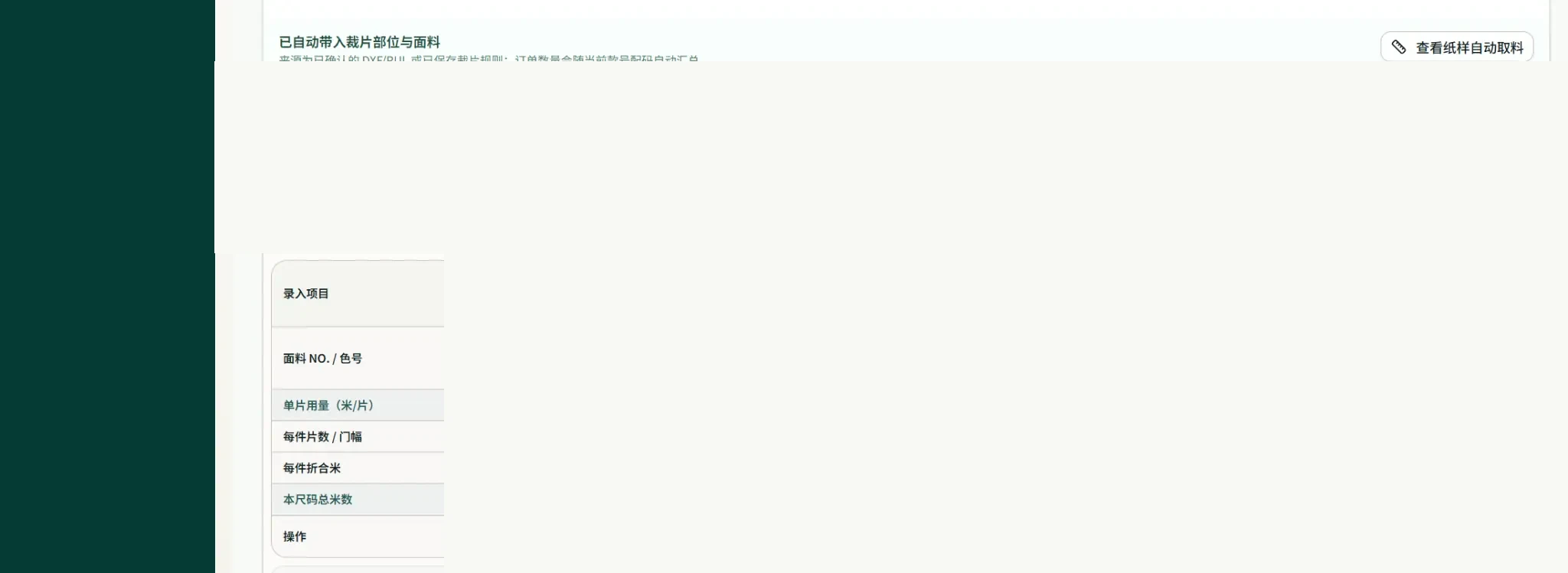
Image note: This screenshot was supplied by the Best Link team and prepared for public use as an anonymized workflow illustration. It does not display a client name, order reference, material code, component name, quantity, usage figure or calculated total. The visible layout is a discussion aid only; it is not a live production record, a product specification, a capacity statement or a commitment on price, timing, availability, testing or market requirements.
A clear cutting plan begins with a clear buyer brief
For a sewn headwear project, a tech pack does more than describe how an item should look. It gives everyone a shared way to identify the components, materials, trims and open questions that need to be reviewed before planning can move forward. That is where a material-planning view becomes useful: it turns a broad product idea into a sequence of details that can be checked in the right order.
The anonymized screen above shows the shape of that conversation. There is a place to identify a cut component, connect it to a material reference and review how the parts relate to a planned style. The actual values are intentionally removed. Buyers should treat such a screen as a workflow reference, not as evidence of a finished specification.
1. Name the item and every visible component
A sewn hat, glove, baby accessory or headband can look simple while still including several separate pieces. A buyer brief is easier to review when each piece has a plain working name: outer panel, lining, visor, ear flap, cuff, facing, binding, label base or another relevant part. The names do not have to be technical language. They only have to help the team recognize the same element in the reference image, pattern discussion and sample review.
For a cut-and-sew hat, also show where each component sits on the finished product. A front panel, side panel and lining may have different material, color or construction questions. If an element is optional, mark it as an open decision rather than allowing it to look fixed in the first brief.
2. Separate material direction from material confirmation
A buyer may begin with a direction such as “soft brushed surface,” “lighter lining,” “contrast binding” or “printed outer fabric.” That is useful, but it is not a final material specification. The brief should identify the reference, intended feel, visual role and destination-market questions that need confirmation.
Before a planning record is finalized, confirm the exact proposed material, color-reference process, trim details, care and labeling questions, and any documentation needed for the specific request. A photo or mood board can guide the discussion. It cannot prove composition, performance, compliance, availability or commercial terms.
3. Record placement before discussing consumption
Material planning depends on knowing where a material is used. State which component receives the main fabric, which piece uses a contrast material, and where labels, patches, elastic or other trims belong. For branded programs, provide only the latest approved artwork and placement notes. The logo treatment, attachment method and backing should be reviewed for the actual proposed sample.
Consumption, marker efficiency, yield, cutting allowance and related figures are project-specific. They should be calculated and confirmed against the actual pattern, material width, size range and selected construction. Do not treat a number from another program or an early planning screen as a promise for a new request.
4. Keep one version of the brief
Small revisions can change a material plan. A deeper cuff, a new lining, a relocated label or a different size range may alter the components that need review. One working version of the buyer brief helps the team distinguish an approved choice from an idea still under discussion.
A useful update log can be simple: note the date, what changed, who supplied the reference and which question remains open. This avoids having several image files or message threads describe slightly different products.
Questions to settle before sample review
Use this short checklist when moving a sewn headwear direction into a material-planning conversation:
| Question | What to provide | What to confirm later |
|---|---|---|
| Product direction | Reference image, intended wearer and use case | Final silhouette, dimensions and fit on the proposed sample |
| Components | Working names and placement sketches | Pattern and construction details for the exact program |
| Material direction | Desired hand feel, appearance and color references | Exact proposed materials, applicable documentation and care/labelling needs |
| Branding | Approved artwork and intended location | Treatment, attachment method and final placement on sample |
| Market needs | Destination market and retail timing | Applicable testing, labeling and other requirements |
| Commercial questions | Approximate quantity and any target considerations | Pricing, minimums, timing, availability and final terms |
Where this applies across a range
The same brief discipline supports more than one product format. For knitted hats and beanies, it can help distinguish a knitted body from any sewn lining, patch or label element. For baby clothing and accessories, it helps separate the visible components and market questions that need review. For headbands and hair accessories, it helps clarify fabric direction, construction and the role of a label or trim.
If your range includes soft headwear alongside neck accessories, the headwear-accessories buyer brief provides a broader starting point. The most valuable input is not a perfect document. It is a concise, current brief that shows what is known, what is preferred and what still needs confirmation.
Turn an idea into a clearer sourcing conversation
Share your reference images, tech pack, target market, label artwork and the questions you need answered. Send a buyer brief and we can organize the sourcing conversation around the exact product direction. Materials, construction, documentation, commercial terms and timing are then confirmed for the specific request.
References
- Internal source: anonymized material-planning workflow screenshot supplied by the Best Link team; no public URL.
Found this sourcing guide useful? Share it with your product development, buying, or supply-chain team.