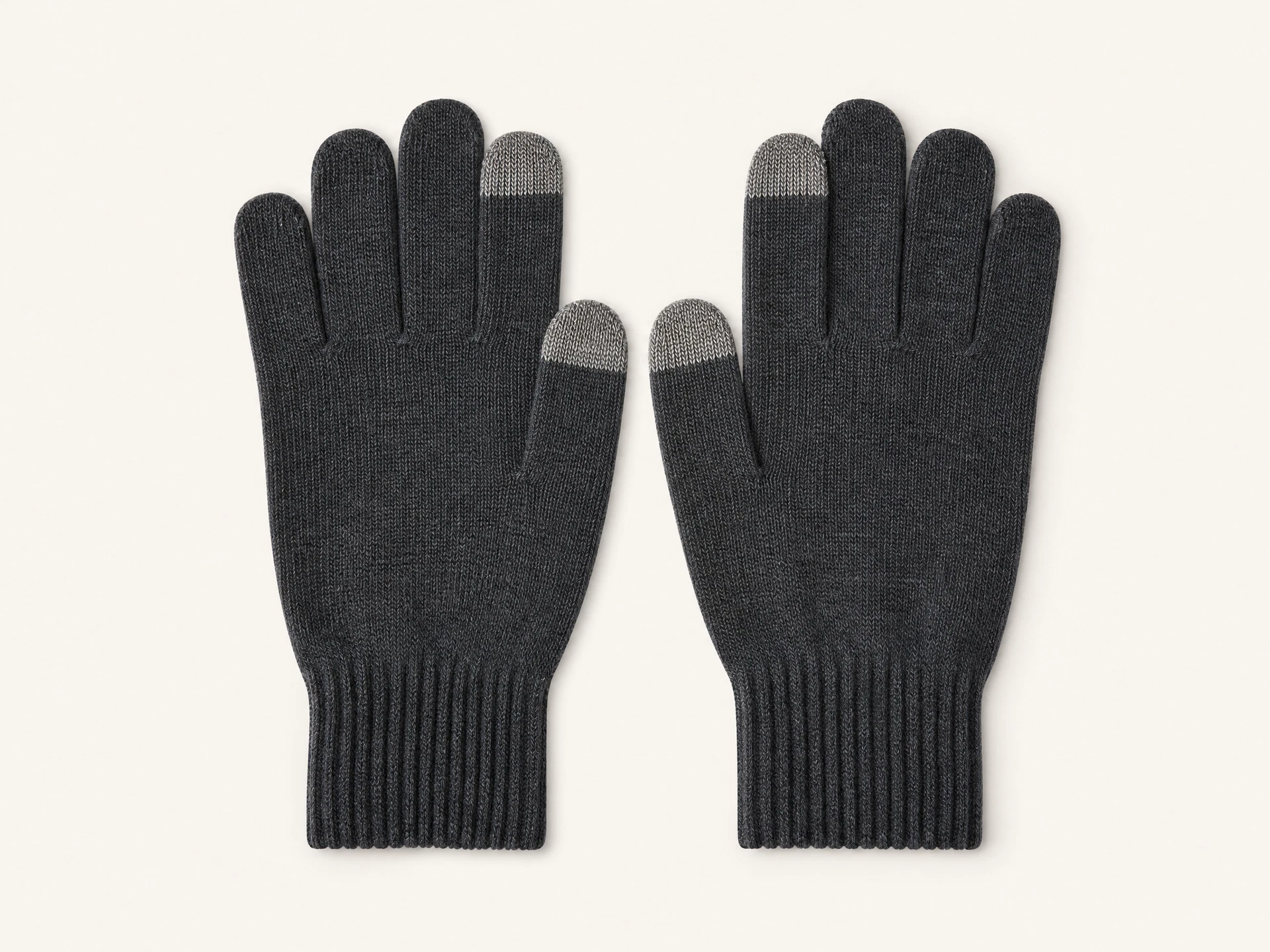
# How to Source Touchscreen Gloves and Knit Mittens for Retail
Gloves and mittens are small products with many functional decisions. Buyers need to consider warmth, dexterity, fit, yarn performance, lining, decoration and the way the product is displayed in store. Touchscreen compatibility adds another requirement: the finished glove must be evaluated for the intended device-use experience, not only for how it looks in a sample photo.
Hunan Tongmei Garment Co., Ltd can support material and sample conversations, production confirmation and quality communication for knit accessory programmes.
Start With the Consumer Use Case
A commuter glove, a childrens mitten and a winter sports accessory have different priorities. Commuter styles may favour a slim fit and touchscreen fingertips. Mittens may prioritise warmth and an extended cuff. Gift-set gloves should coordinate with hats and scarves in colour, texture and packaging. A clear use case helps the buyer decide which features must be included in the first sample.
| Product route | Typical buyer priority | Development question |
|---|---|---|
| Touchscreen knit glove | Device interaction and fit | Which fingertips require conductive yarn and how will they be tested? |
| Fleece-lined mitten | Warmth and comfort | How will lining, cuff and seam bulk affect fit? |
| Patterned gift glove | Appearance and colour coordination | Is the jacquard repeat readable at hand scale? |
| Childrens mitten | Retention and ease of wear | Does the cuff and attachment approach match the target market needs? |
Understand Touchscreen Compatibility
Touchscreen functionality usually relies on conductive material placed in designated fingertips. Buyers should identify which fingers consumers will use, the types of devices likely to be used and the expected performance after normal handling and care. Ask for a sample that can be evaluated on the relevant device types. Do not treat a general material statement as a performance guarantee; the exact construction, yarn and intended device should be reviewed together.
Explore product directions on the Knit gloves page.
Choose Between Gloves and Mittens
Five-finger gloves can offer dexterity for commuting, driving and device use. Mittens can provide a warmer hand environment because fingers share heat. Convertible styles can combine access and warmth but introduce additional components and attachment details. The product decision should be tied to the target price position and intended activity rather than to a trend image alone.
Materials, Lining and Grip
Material affects both feel and function. Wool and wool blends can contribute natural warmth, while acrylic blends may support colour and easy-care programmes. Fleece lining can add comfort, though it may change the fit and bulk. Grip prints or palm reinforcements should be reviewed for use, durability and hand feel. Buyers should request a clear composition statement and confirm care-label content before final approval.
Review the Fit on Real Hands
Hand measurements, finger length and cuff stretch should be reviewed across the intended size range. A beautiful flat sample may still feel restrictive when worn. For adult gloves, test both smaller and larger hands where relevant. For childrens products, confirm that the cuff is easy to put on while still staying secure during use. Record any required measurement tolerance on the approved specification.
Create a Practical Quality Checklist
Before bulk production, compare the approved sample with the intended production standard. Confirm colour, pair matching, yarn consistency, fingertip construction, lining attachment, seam quality, label location and packaging. For touchscreen styles, keep a defined sample-review record rather than assuming the same result will apply to every material change.
Build a Coordinated Winter Offer
Retailers often benefit from matching colour families across gloves, hats and scarves. Coordinated development can simplify visual merchandising and gift-set planning. Review Custom knitted hats and Custom scarves when planning a seasonal range.
Next Step for Buyers
Send the target user, product reference, size range, preferred material and device-use expectation to Contact our team. We can help structure the sample questions before the next production decision.
Found this sourcing guide useful? Share it with your product development, buying, or supply-chain team.