# Custom Scarf Manufacturer: Materials, Sizes and Private Label Options
Scarves can be a versatile category for fashion, gift and outdoor collections, but they become easier to source when buyers separate the key decisions: material, construction, size, finishing and packaging. A lightweight printed scarf, a woven plaid muffler and a chunky knitted wrap each require a different development conversation. This guide explains how to create a brief that supports sampling and reduces surprises before bulk production.
Hunan Tongmei Garment Co., Ltd can help buyers discuss material direction, sample requirements, manufacturing questions and quality communication for custom scarf programmes.
Decide Whether the Product Is Knitted, Woven or Printed
The appearance of a scarf often starts with construction. Knitted scarves can provide stretch, texture and three-dimensional stitches such as ribs, cables and jacquards. Woven scarves can suit plaid patterns, fine drape and fringe. Printed constructions can be appropriate where artwork and lightweight seasonal use are central to the product brief. The construction should be selected before a buyer asks for a final price or lead-time estimate.
| Construction route | Useful for | Buyer questions to ask |
|---|---|---|
| Knitted | Rib texture, cables, soft winter wraps | Gauge, yarn count, stretch and pattern repeat |
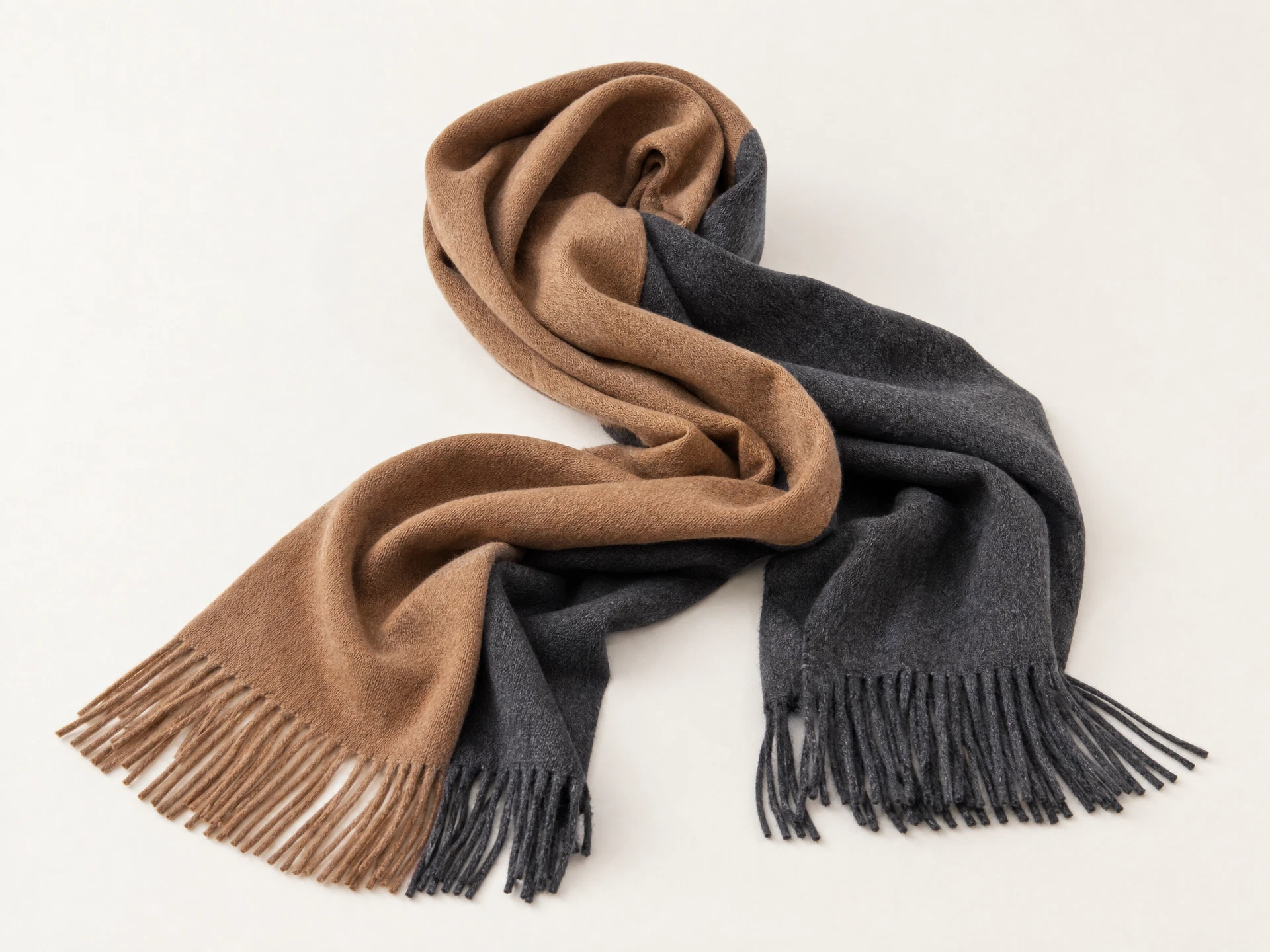
| Woven | Plaids, checks, fringed mufflers | Fabric weight, fringe finish and drape |
| Printed | Lightweight fashion or travel styles | Artwork file, print method and colour approval |
| Double-layer | Reversible or warmer collections | Layer attachment, bulk and edge construction |
Select Yarn and Fabric With Use in Mind
Material selection should relate to the season, retail position and care expectations. Wool and wool blends can suit warm seasonal collections. Cotton and modal blends can support lighter use. Acrylic blends may be considered for easy-care colour programmes. Any organic or recycled content claim should be checked with the relevant supply-chain documentation and market requirements before it is used in packaging or product copy.
See current development directions on the Custom scarves page.
Use Dimensions to Define the Wearing Experience
Length and width affect how a scarf is styled, folded and merchandised. A narrow commuter scarf, an oversized blanket scarf and a childrens accessory should not share the same specification. Buyers should provide a target size range, acceptable tolerance, fringe length where applicable and whether the scarf must fit into a gift box, belly band or store fixture.
Plan Finishing Before Sampling
Fringe, tassels, pom-poms, hemmed edges, labels and embroidery all influence both the look and the approval sequence. For a fringe scarf, confirm whether the fringe is hand-twisted, machine finished or integrated into the fabric structure. For knitted wraps, confirm whether the edges should roll, be ribbed or receive a sewn finish. These details should appear on the sample approval sheet rather than being left to visual interpretation.
Private Label and Gift-Ready Packaging
Scarves are often bought as gifts, so packaging can be part of the product value. Buyers can consider woven labels, folded care labels, branded belly bands, hangtags, tissue wrap and gift boxes. The right option depends on the material and folding method. A package that compresses a bulky knit or catches a fringe can create avoidable presentation issues.
Compare Samples With a Simple Scorecard
A scorecard keeps subjective comments from becoming unclear. Review each sample against the same checkpoints: colour, softness, dimensions, pattern accuracy, edge finish, label position, packaging and perceived retail value. Ask the supplier to record the material specification and sample changes alongside photos so the approved version is easy to trace.
Next Step for Buyers
Share your reference, target market, construction preference and planned colourways through Contact our team. For collection planning, pair scarves with Custom knitted hats or Knit gloves to review coordinated yarn and colour options.
Found this sourcing guide useful? Share it with your product development, buying, or supply-chain team.